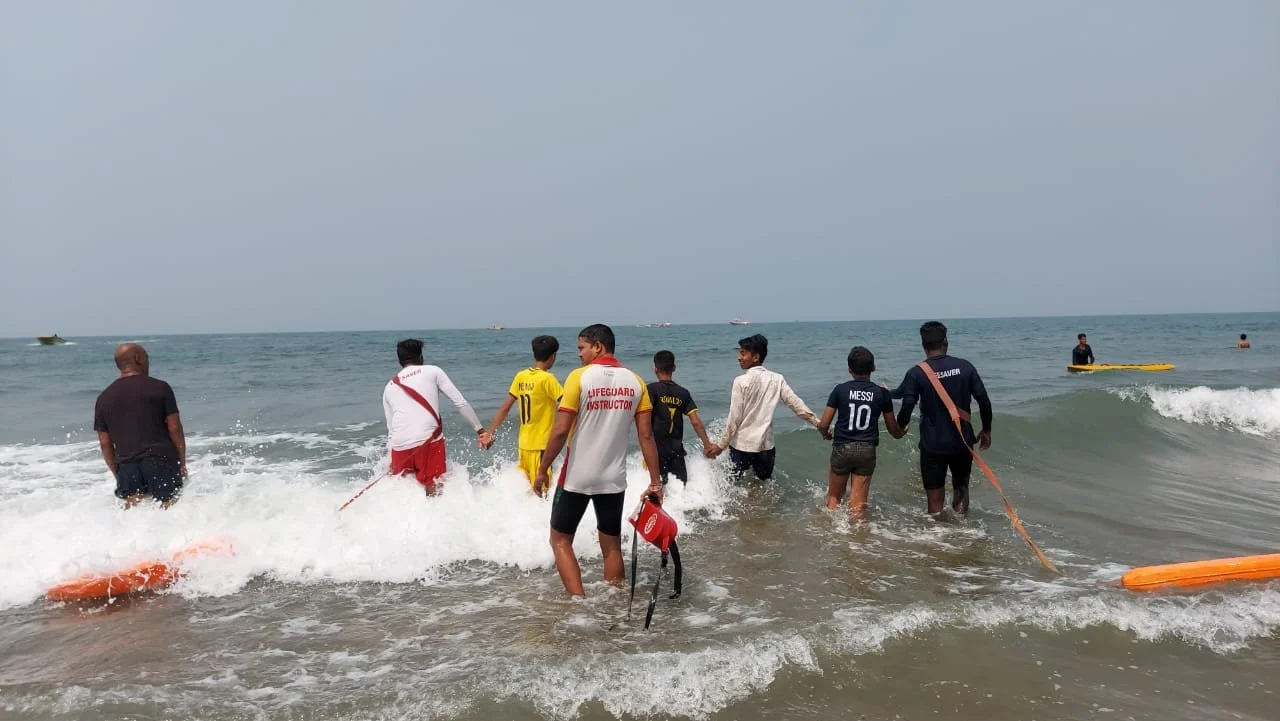
Safe Swim
Red & Yellow — Safe Swim Zone
Always swim between these flags. Lifeguards are watching this area and conditions are actively monitored.
Rule: Stay inside the flagged zone.
Welcome to Sagar Safar
A beach safety experience by Drishti Marine
Learn to read the waves, the flags, and the sea. Stay safe, stay aware.
Go confidently into the sea with Drishti Lifesaver guided Sagar Safar.
Learn about rip currents, waves and how to safely enjoy the water.
Enter the sea fearlessly with the Lifesaving team that has kept Goa’s beaches safe since 2008.
These flags are placed by lifeguards. Read them before you enter the water.
Always swim between these flags. Lifeguards are watching this area and conditions are actively monitored.
Rule: Stay inside the flagged zone.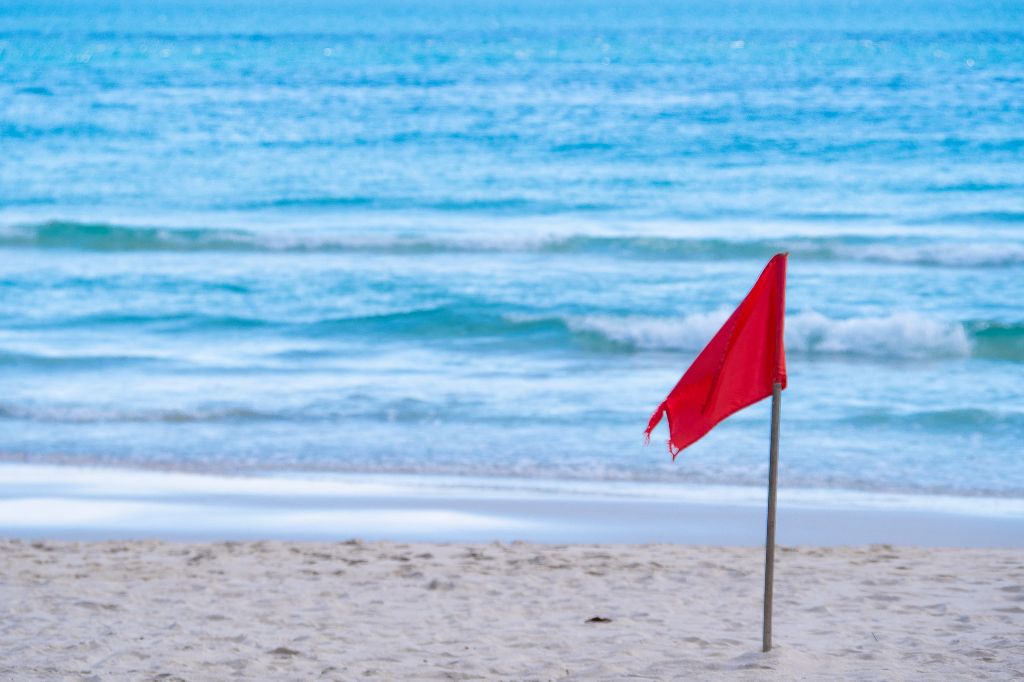
No swimming. Hazardous conditions (powerful waves, rips, or marine risks). Wait till flags return to red & yellow.
Rule: Stay on shore until conditions change.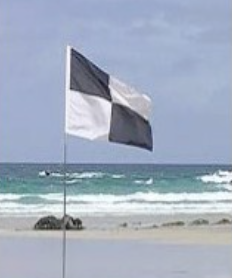
Area reserved for jet skis, boats, and surfing. Do not swim here — move to the red & yellow safe zone.
Rule: Keep clear of craft lanes and rescue access.A rip current is a strong, narrow flow of water moving away from shore, often between sandbars. It can quickly carry swimmers into deeper water. Learn how to spot a rip — and what to do if you’re caught in one.
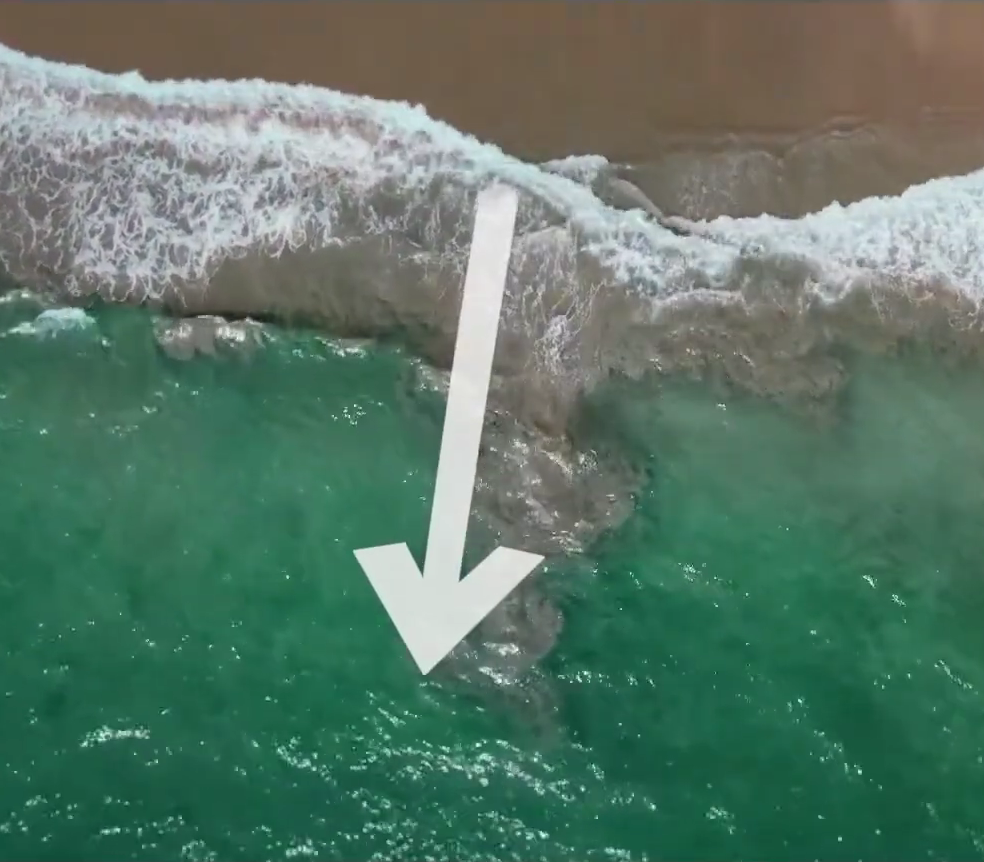
Waves push water toward the beach. That water returns to sea through the path of least resistance — often a channel between sandbars — creating a fast, seaward flow.
Not all waves are friendly. Understanding how they break helps you identify safe swimming zones and avoid hidden dangers.

Spilling waves are gentle breakers that tumble gradually as they approach shore. They’re formed over gently sloping sea floors, creating long-lasting white foam.
Ideal for: swimming, surfing, and body surfing — slow, predictable, and less powerful.
Safe and fun — the friendliest wave type for beachgoers.
Plunging or dumping waves break with tremendous force, often throwing swimmers onto the seabed. They form when waves hit shallow sandbanks at low tide.
Danger: These waves can cause spinal injuries or dislocations — best to duck-dive through or avoid entirely.
Avoid these — strong impact zone.
Surging waves have a smooth crest that rushes up and then slides back quickly, often on steep beaches. They don’t form a classic breaking surf zone.
Risk: Can knock swimmers off their feet and pull them into deeper water. Tsunamis are an extreme example of surging waves.
Watch your footing — stay alert on steep beaches.Follow these simple guidelines from our Beach Marshals to keep yourself and others safe while enjoying the sea.